Lemon Herb Salmon Quinoa Bowl
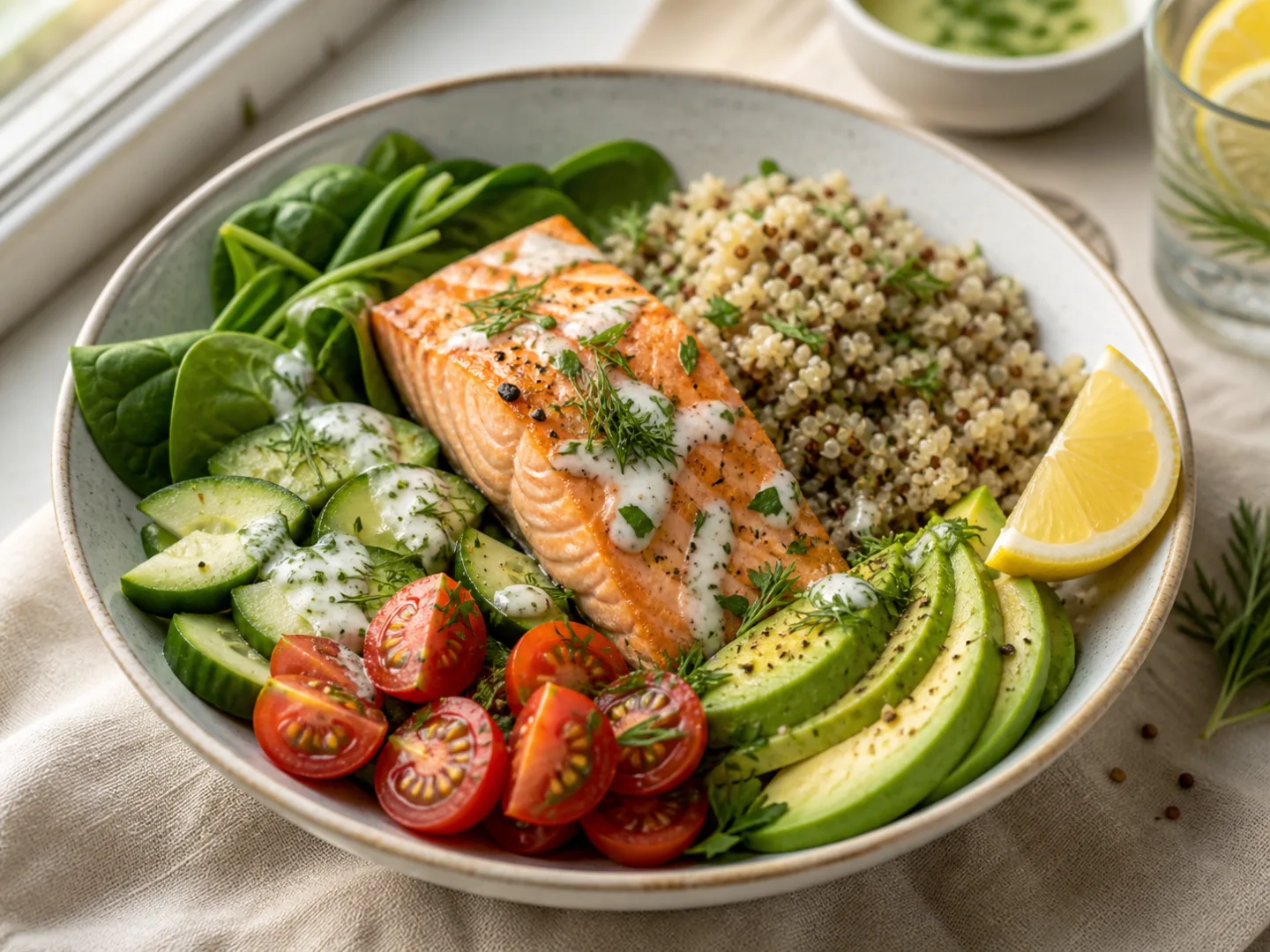
A composed bowl can look elaborate even when each part is simple. Here, the quinoa cooks unattended, the salmon roasts on one pan, and the vegetables need little more than chopping. The result feels generous without depending on a heavy dressing or a long ingredient list.
Healthy cooking does not have to mean perfect ingredients or rigid portions. This HealthHer Kitchen recipe is written to be adaptable, with clear food-safety notes and realistic substitutions.
How to make this recipe work on a busy week
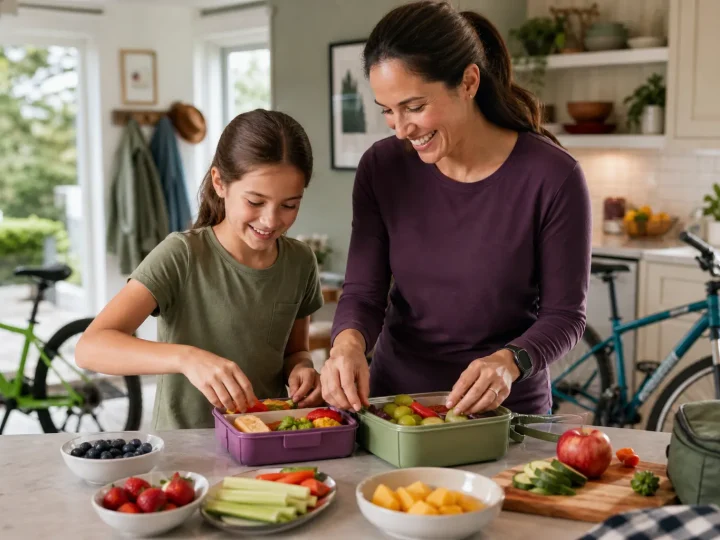
Cook the quinoa and stir the sauce a day ahead. Wash and chop sturdy vegetables, but slice avocado close to serving. For packed lunches, keep salmon and sauce in separate containers and assemble over spinach after reheating the quinoa, or enjoy the components cold if they have been handled safely.
Texture and timing details
Quinoa tastes better when it is allowed to steam after cooking, then fluffed rather than stirred aggressively. For the salmon, thickness matters more than the weight printed on the package. Begin checking the thinnest fillet early and remove each piece when it reaches the doneness and safe temperature appropriate for your household. Letting the fish rest for a few minutes keeps the surface from steaming the greens when the bowl is assembled.
Nutrition context without the wellness hype
Salmon is one practical source of protein and omega-3 fats, while quinoa provides carbohydrate and some fiber. No single bowl determines heart or hormone health. Dietary patterns, medical history, access, culture, and preference matter more than treating one ingredient as a cure.
Nutrition values are estimates because brands, produce size, cooking loss, and serving choices vary. Use them as orientation rather than a guarantee.
Smart substitutions
Canned salmon, cooked chicken, tofu, white beans, or lentils can replace the fillet. Brown rice or farro can stand in for quinoa; use a gluten-free grain when needed. For pregnancy, follow current local guidance about seafood choices and make sure fish is cooked and stored safely.
Serving ideas
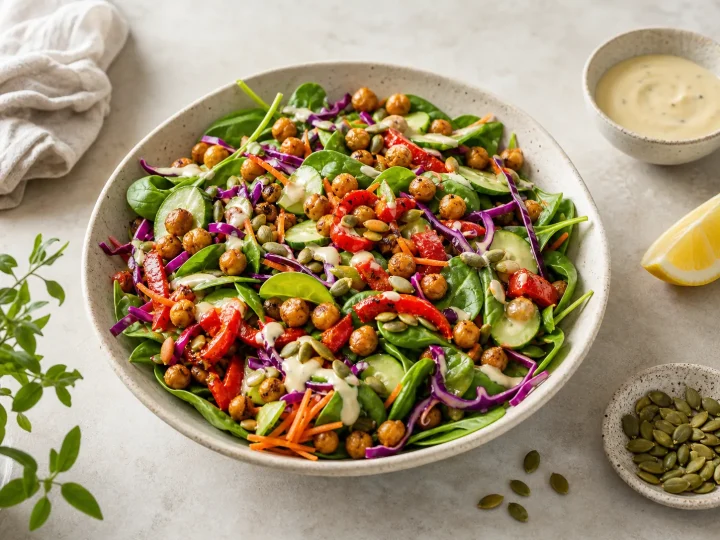
Set the components out separately for a household meal and let everyone build a bowl. Pickled onions, fresh herbs, lemon wedges, or toasted seeds add contrast without requiring another sauce. Leftover quinoa and vegetables can become a lunch bowl with beans when the salmon is gone. If you prefer a warmer meal, wilt the spinach briefly in the pan and serve the cucumber and tomato as a cool side.
The complete recipe
Lemon Herb Salmon Quinoa Bowl
Ingredients
Method
- Cook the quinoa according to package directions. Remove from the heat, cover for 5 minutes, and fluff with a fork.
- Heat the oven to 425°F (220°C). Place salmon on a lined baking sheet, brush with olive oil, and season with oregano, garlic powder, salt, and pepper.
- Bake for 10 to 14 minutes, depending on thickness, until the salmon flakes easily.
- Whisk the yogurt, lemon zest, lemon juice, dill, and 1 to 2 tablespoons of water into a pourable sauce.
- Divide spinach, quinoa, cucumber, tomatoes, avocado, and salmon among four bowls. Spoon the sauce over the top.
Notes
Troubleshooting
Mushy quinoa usually means too much liquid or vigorous stirring; spread it on a plate for a few minutes so steam can escape. Dry salmon is easier to prevent than repair, so check it before the maximum time and remember that it continues cooking as it rests. A yogurt sauce that is too thick can be loosened with water or lemon juice, while an overly sharp sauce becomes gentler with another spoonful of yogurt.
Storage and food safety
Refrigerate cooked salmon and quinoa promptly in shallow covered containers and use within three days. Reheat cooked components to steaming hot if you prefer them warm. Discard food left unrefrigerated for more than two hours, or one hour in very hot conditions.
Make it your own
Use taste, appetite, culture, budget, and the food available to you as useful information. Add or remove a side, change the seasoning, or choose a different portion. A recipe succeeds when it serves the person eating it—not when it follows a wellness rule perfectly.
HealthHer provides general food information, not individualized medical or dietetic advice. If you manage an allergy, pregnancy-related need, health condition, or therapeutic diet, consult an appropriately qualified professional.