Eating Through Menopause: What a 38,000-Woman Study Can Tell Us

The useful answer: A 2026 study following 38,283 women for 12 years found that healthier eating patterns around menopause were associated with less long-term weight gain. It supports practical, food-quality-focused habits—but it cannot prove that a specific diet prevents menopause-related weight change.
What to know
- The analysis included 38,283 women followed across the menopause transition.
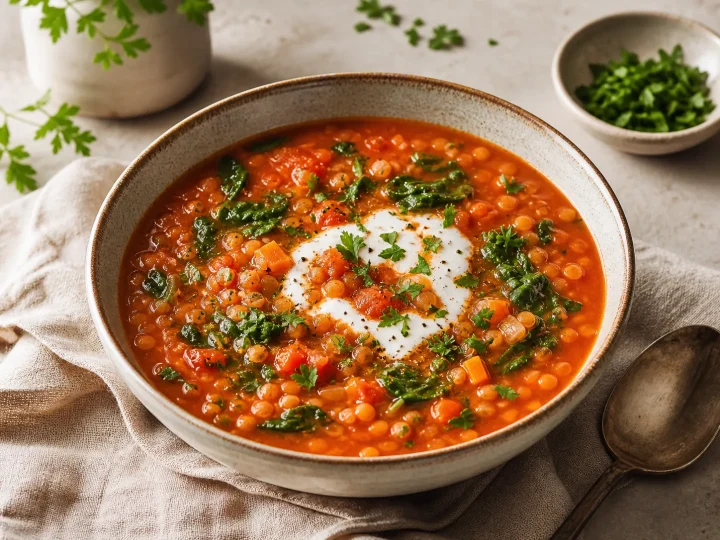
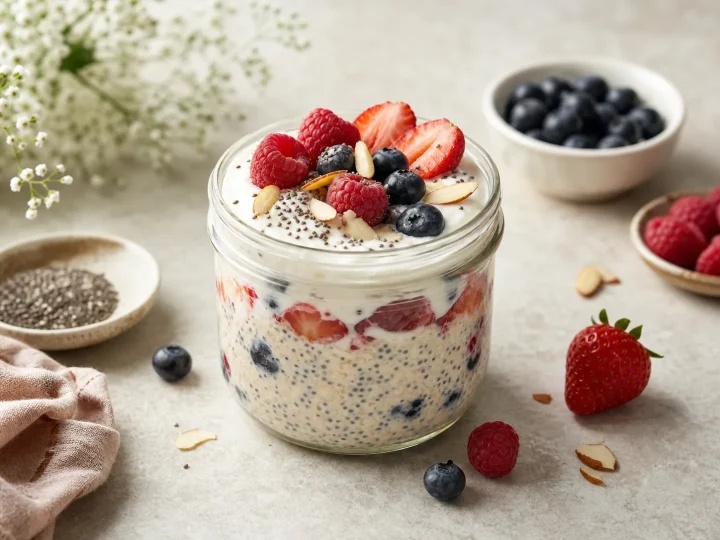
- Higher-quality patterns emphasized vegetables, fruit, whole grains, legumes, nuts and healthier fats.
- The study was observational and based partly on self-reported food and weight data.
- The results are about long-term patterns—not a quick fix or a mandate to restrict calories.
What the study found
The JAMA Network Open cohort examined how diet quality before and after menopause related to weight change over 12 years. Women whose eating patterns more closely matched established healthy-diet scores tended to gain less weight than women with lower scores.
The measures differed in detail, but the recurring pattern was familiar: more minimally processed plant foods, fiber-rich carbohydrates, nuts and legumes; fewer refined grains, sugary drinks and heavily processed foods. This is an association across years, not proof that one ingredient caused the difference.
Why menopause can change weight and body composition
Midlife weight change is rarely explained by one hormone or one food. Aging, sleep, stress, activity, medications and the menopause transition can all contribute. Declining estrogen is also associated with changes in fat distribution, while age-related muscle loss can reduce energy needs.
That complexity is why an extreme “menopause diet” is a poor takeaway. A sustainable pattern should support muscle, bone, cardiovascular health, adequate energy and pleasure in eating—not only the number on a scale.
What the evidence does not prove
The study did not randomly assign diets, so healthier eating may travel with other advantages the researchers could not completely separate. Food intake and weight were self-reported. Most participants were White health professionals, which limits how confidently the results apply to all populations. The researchers measured weight, not detailed body composition.
It also cannot tell an individual exactly how much weight she will gain or lose. The average differences in a cohort are not personal predictions.
A practical, non-restrictive way to apply it
- Build meals around protein and plants. Pair beans, lentils, eggs, fish, yogurt, tofu, poultry or another protein with vegetables or fruit.
- Choose fiber-rich carbohydrates often. Oats, brown rice, whole-grain breads, potatoes with skin and other intact grains can support fullness and cardiometabolic health.
- Use fats that add both flavor and nutrition. Nuts, seeds, olive oil and avocado can replace rather than simply add to less nutritious options.
- Protect muscle. Adequate protein works best alongside regular resistance activity suited to your ability and health.
- Look at the week, not one meal. Consistency matters more than dietary perfection.
When personal advice matters
Talk with a qualified clinician or registered dietitian if weight is changing rapidly without explanation, eating has become fearful or restrictive, or symptoms such as persistent fatigue, excessive thirst, swelling, digestive problems or mood changes are present. Medical conditions and medications can affect weight and deserve individual assessment.
The bottom line
This large cohort adds useful evidence that overall food quality during the menopause transition matters. It does not support punishing calorie restriction or a single “hormone-balancing” menu. A varied pattern built around minimally processed foods, enough protein and fiber, and habits a person can keep is the more defensible takeaway.
Primary source
- JAMA Network Open: Healthy dietary patterns and weight change across the menopause transition (DOI: 10.1001/jamanetworkopen.2026.13102)
Editorial note: HealthHer produced this independent explainer from the primary study. No food, supplement or weight-loss product funded this article. Last evidence check: August 15, 2026. Planned review: February 2027.